Artist Led, Creatively Driven
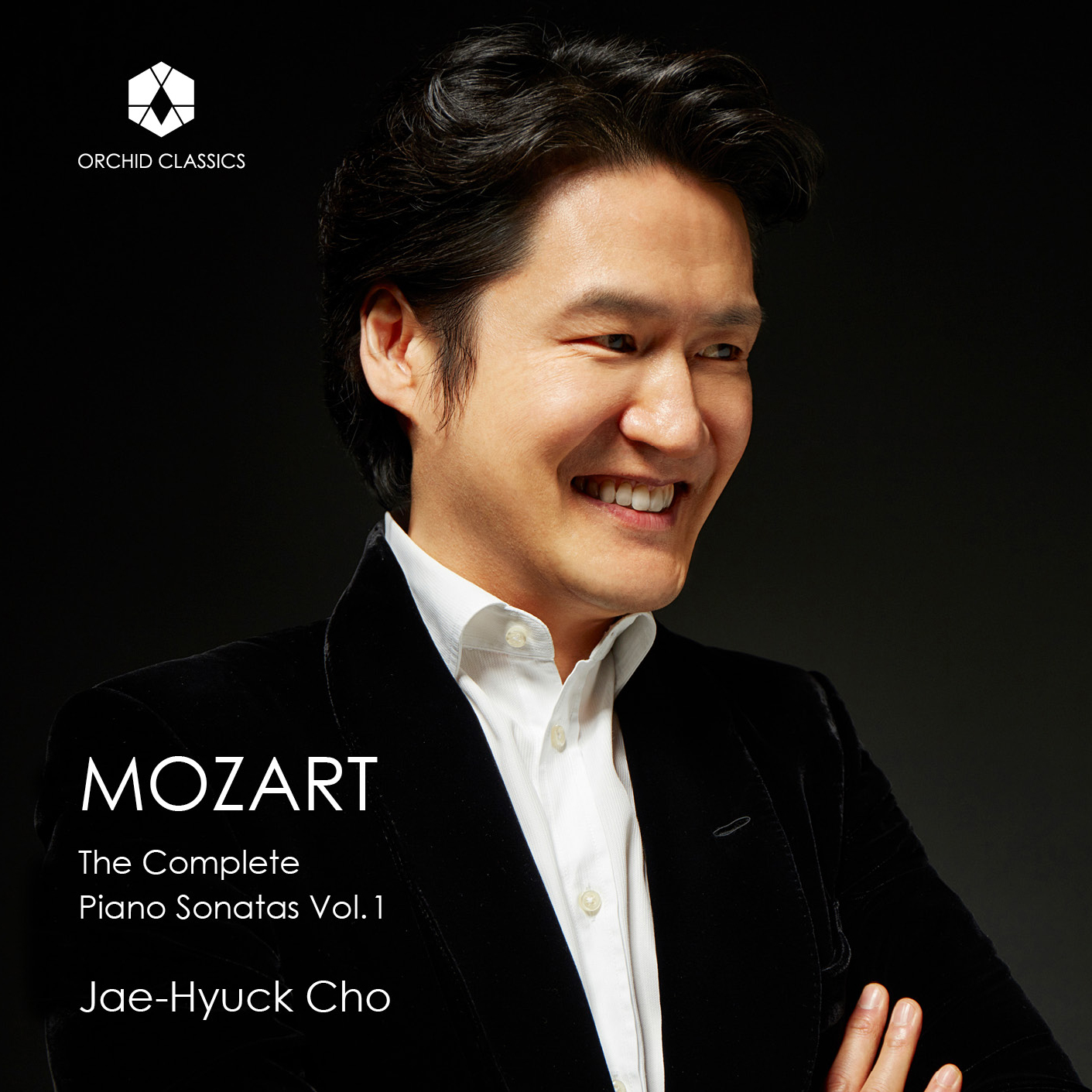
MOZART: THE COMPLETE PIANO SONATAS VOL. 1
Jae-Hyuck Cho, piano
Release Date: March 6th 2026
ORC100430

Wolfgang Amadeus Mozart (1756-1791)
Piano Sonata No.16 in C Major, K.545
1. I Allegro
2. II Andante
3. III Rondo: Allegretto
Piano Sonata No.13 in B-flat Major, K.333
4. I Allegro
5. II Andante cantabile
6. III Allegretto grazioso
7. Fantasia in C Minor, K.475
Piano Sonata No.14 in C Minor, K.457
8. I Molto allegro
9. II Adagio
10. III Allegro assai
Jae-Hyuck Cho, piano
Welcome to the first volume of my Mozart Piano Sonata recordings.
When I began this journey, I wanted to see if I could play Mozart’s piano music as if it were sung – not confined by the idea of being “pure” or “delicate,” but alive, breathing, and vividly expressive, like his operas.
To me, Mozart’s keyboard writing is inseparable from his vocal world. His sonatas contain dialogue, wit, and drama – characters who love, tease, and suffer. Each phrase seems to ask not for perfection, but for truth.
I hope this recording captures that spirit of Mozart speaking, laughing, and sighing through the piano’s voice.
Jae-Hyuck Cho
This first album moves from sunlight to storm, tracing Mozart’s voice at the keyboard as if it were a sequence of operatic scenes—overture, aria, recitative, and final drama.
We begin with the Sonata in C major, K.545. Often labeled “for beginners”, it is, in truth, an overture of crystalline poise. Its transparency invites freedom: the opening Allegro speaks plainly and directly, the Andante breathes in long phrases like a simple aria, and the finale’s motives sparkle with light-footed wit.
The Sonata in B-flat major, K.333 follows, opening the door to Mozart’s expansive lyricism. Here the keyboard writes in full sentences – conversational, supple, and affectionate. The first movement’s narrative lines unfold asshape graceful dialogues, the slow movement suspends time with an almost bel canto cantilena, and the finale dances with effortless good humor. After K.545’s clarity, K.333 widens the palette: the same classical balance, now warmed by theatrical charm.
The mood turns inward with the Fantasia in C minor, K.475. This is Mozart alone at the footlights: improvisatory, searching, unpredictable. Harmonies darken and brighten without warning; tempo and texture shift like changing thoughts. It reads less like composition than confession – a soliloquy in which the voice cracks, steadies, and finally dares. (Historically, Mozart published this Fantasia together with the C-minor Sonata, K.457, in 1785 – an affinity that audiences have sensed ever since.)
That confession is answered and crystallized by the Sonata in C minor, K.457. The first movement enters like a declaration, fierce and urgent; its Adagio replies with an intimate aria, the piano speaking in shaped breath and supported line; the finale hurls forward with defiant resolve. Together with the Fantasia, it forms one of Mozart’s most charged journeys – a trajectory from unease to ignition. In keeping with the third movement’s intensity, I took one liberty: at measure 309 I play the keyboard’s lowest C (C1 on a modern 88-key piano), a note unavailable to Mozart’s instruments – an accent I think he would have enjoyed.
Jae-Hyuck Cho
Piano
Pianist Jae-Hyuck Cho is acclaimed for performances that fuse classical clarity with the expressive freedom of the voice. His recent projects include recording the complete Mozart Piano Sonatas, a cycle shaped by his belief that Mozart’s keyboard writing sings with the life of opera – dramatic, flexible, and deeply human. This disc is Volume 1 of the release.
An active chamber musician and collaborator, Cho performs with leading colleagues and in dedicated ensembles, bringing the same lyric instinct to repertoire from the Classical era to the twentieth century.
Cho serves as Artistic Director of the Hasla International Festival of the Arts in Gangneung, Korea, where he curates programs that connect music with literature, visual art, and community – championing friendships on and off stage. Highlights include cross-disciplinary premieres, intimate chamber concerts, and audience-centered events that extend far beyond the concert hall.
Whether in recital, with orchestra, or in collaboration, Cho seeks a direct line of communication with listeners: a singing phrase, a living tempo, and the courage to let music breathe.
similar Artists & Albums